Most growers have a piece of technology somewhere on the farm that never quite delivered. A set of probes that went quiet after the first season. A dashboard nobody opens anymore. An app that made sense at the field day but never fit the way the team actually works.
The technology usually wasn’t the problem. More often, it was bought without the Agtech company taking the time to understand the operation it was going into: which blocks matter most, who does the work, what records are already kept and which decisions keep the owner up at night. Without that, even good technology ends up as just another login to remember.
A hands-on approach
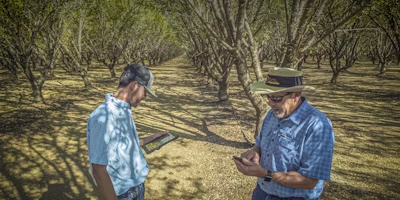
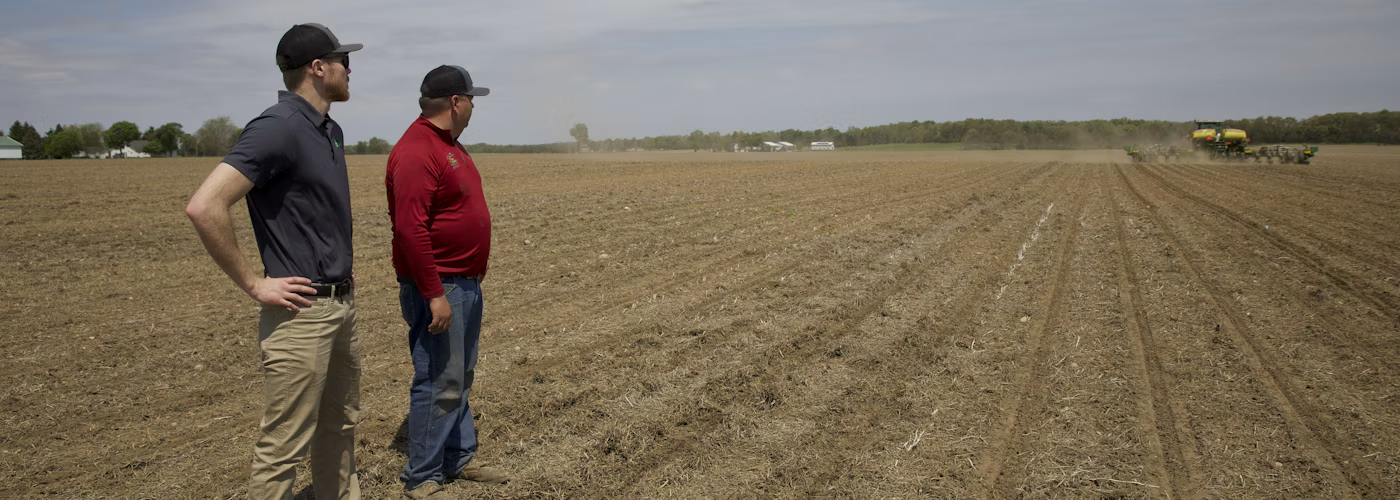
This is not how agriculture usually operates. Few growers would change their spray program based on a brochure. They talk it through with an agronomist or PCA who knows their farm, their history and their goals. That advisor doesn’t just recommend a product; they recommend the right one for that field at that time, and they are still around to see how it turns out.
Decisions about technology and data deserve the same hands-on approach. Where to put sensors, how to structure records and what to automate shape how an operation runs for years, not just a season.
A good technology advisor starts by listening. They look at what you already have, where time and money are being lost, and what you are trying to achieve. Sometimes the answer is a new tool. Sometimes it’s getting more out of the one you already pay for. And sometimes it’s ‘not the right fit’.
Experience matters
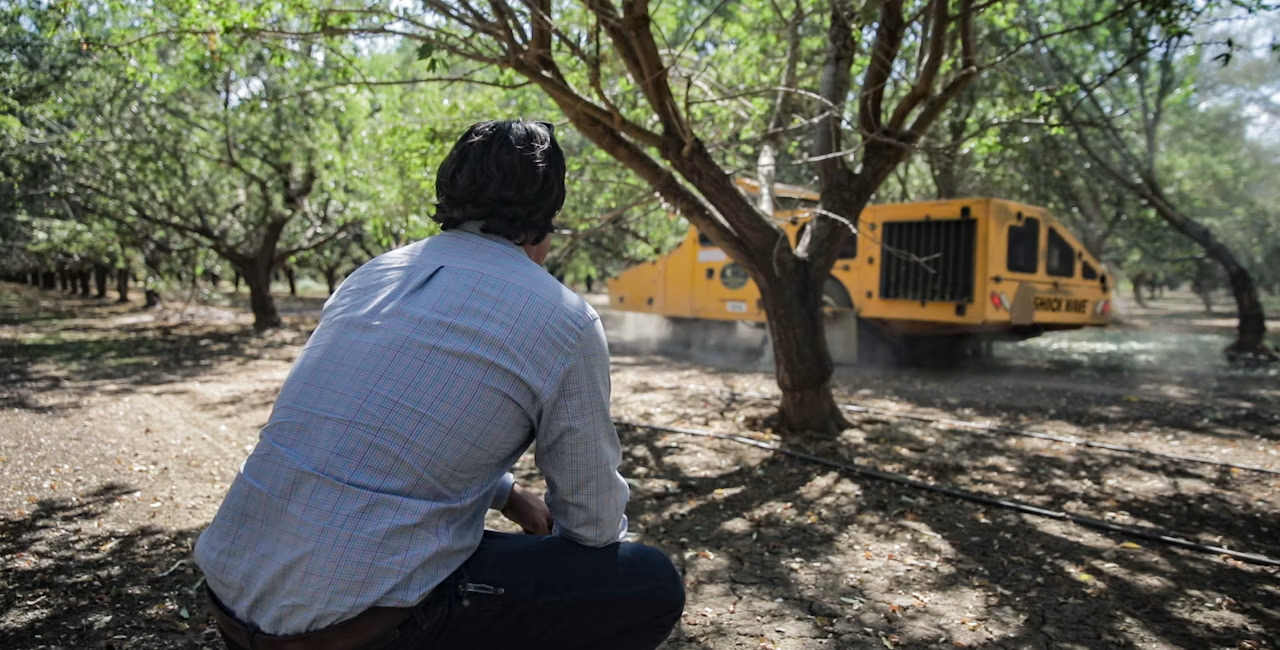
What they bring is the experience to identify trends that come from working across many operations. They have seen which setups hold up in a wet spring, which records an auditor will ask for, and where similar growers ran into trouble. That saves you learning those lessons the expensive way.
The value doesn’t stop at the purchase either. The first season with any new system is when most of its value is won or lost. Having someone to call when the data looks wrong, when staff need a refresher or when your needs change is often the difference between technology that sticks and technology that gets abandoned.
A good example of this is a problem that one of our clients, Booth Ranches, ran into last season: their county tightened its compliance reporting window from 10 days to just 24 hours. They contacted their Semios Group representative who responded quickly and organized enhanced standard reports on the Agworld platform which allows the Booth Ranches team to decrease their time spent on creating compliance reports by 80% and remain fully compliant with county regulations.
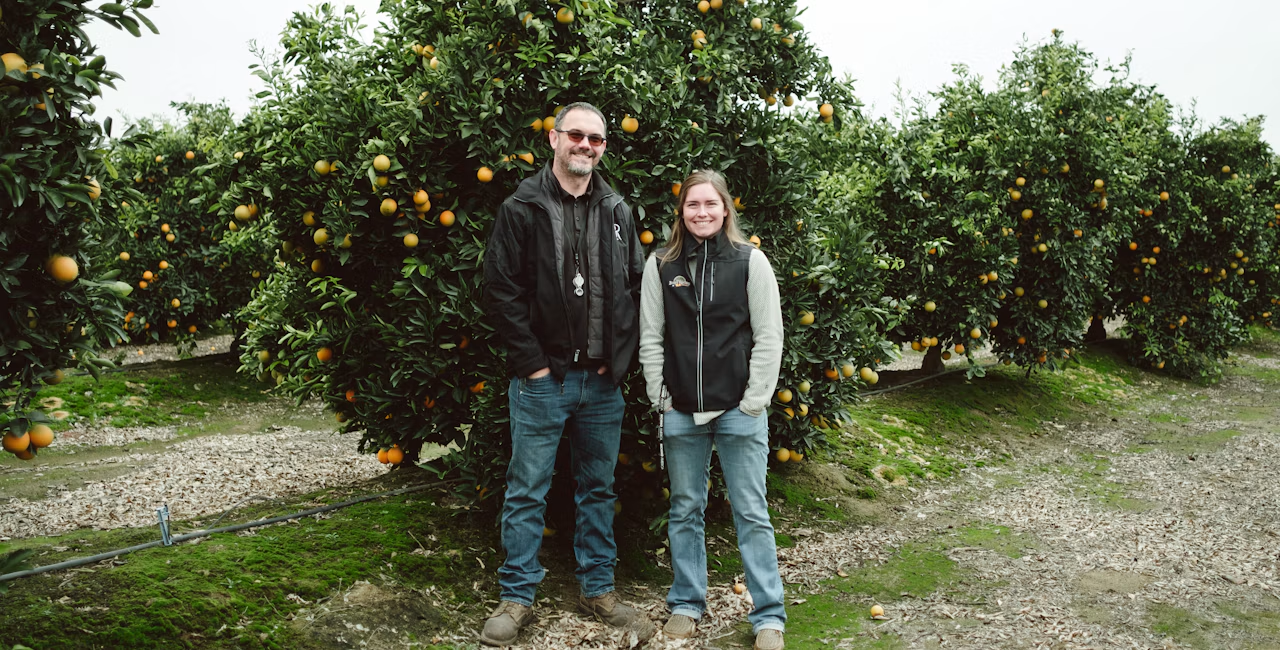
That is why the Semios Group puts people alongside its technology. Our team works with growers and PCAs in fields, orchards and vineyards throughout the season, supported by office-based teams that help with setup, training and day-to-day questions.
The next time you’re weighing up a new sensor, system or service, start with a conversation rather than a product. Ask what problem it solves, how it fits with what you already do, and who will be there when it needs adjusting. The answers to those questions are worth more than any feature list.